

-
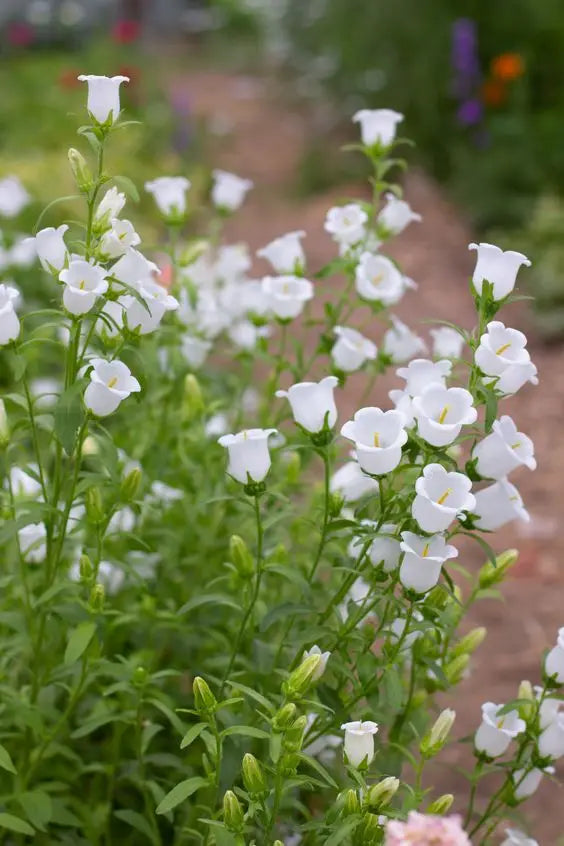
Pulkstenītes Champion
Pulkstenītes Champion izceļas ar skaistiem zvaniņveida ziediem, kas ir ideāli piemēroti dārza...
-
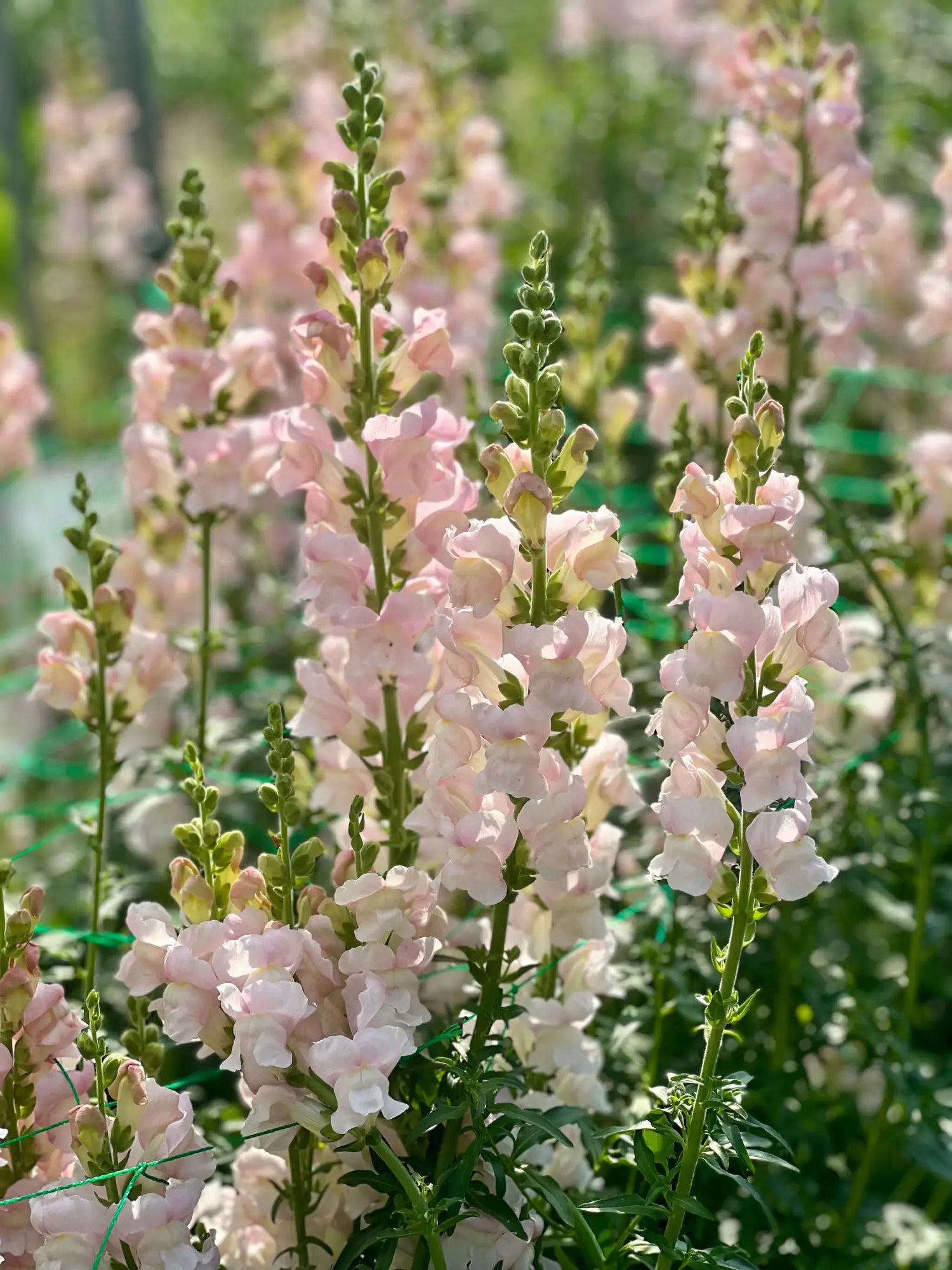
Lauvmutītes | Lauvmutīšu sēklas
Lauvmutītes (Antirrhinum majus) ir pazīstamas ar savu krāšņo ziedēšanu, kas piešķir dārzam...
-
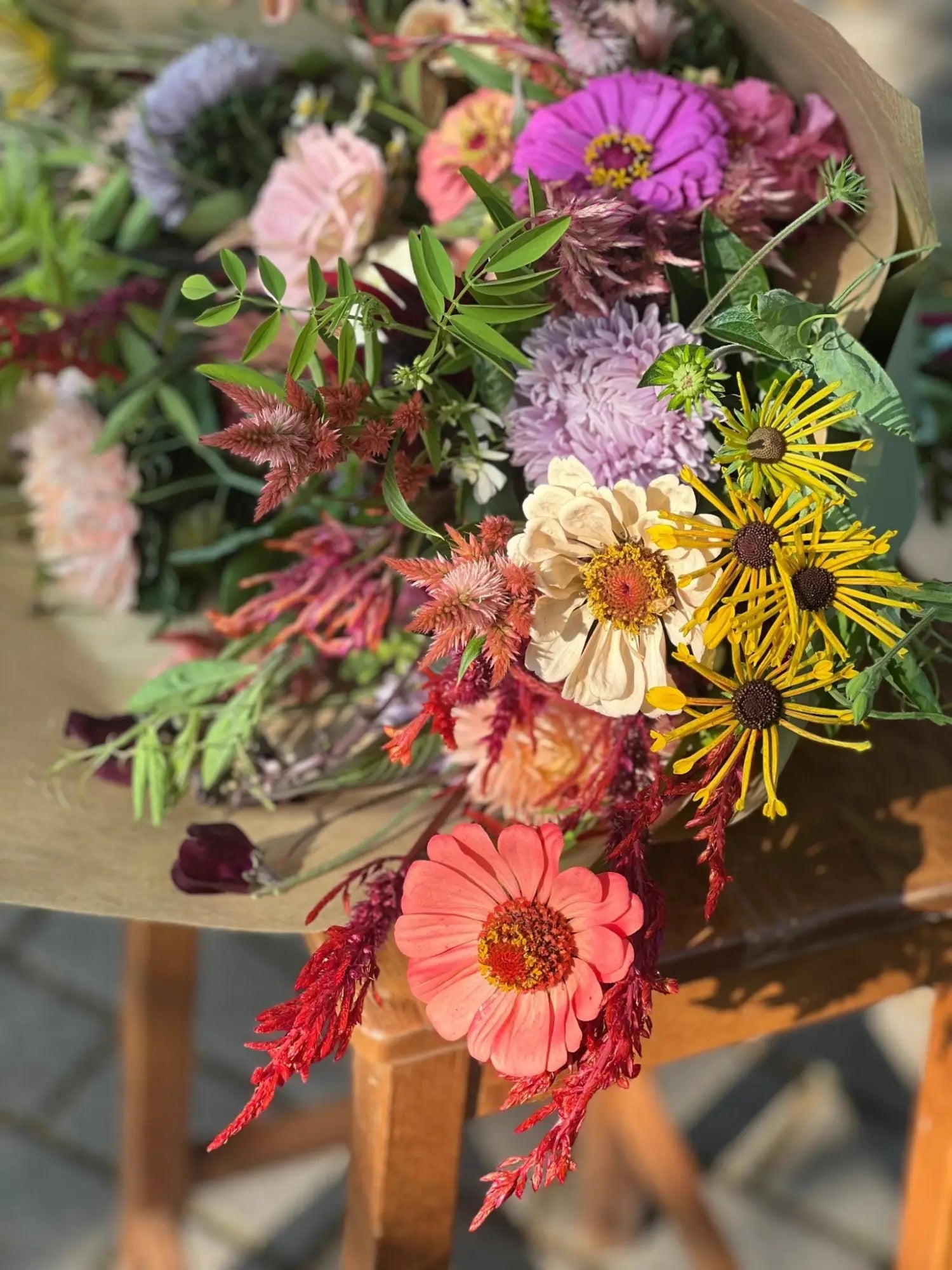
Viengadīgo puķu sēklas | Spilgtas krāsas katrai sezonai
Atklāj Therapy of Flowers viengadīgo puķu sēklu kolekciju – rūpīgi atlasītas šķirnes, kas...
-
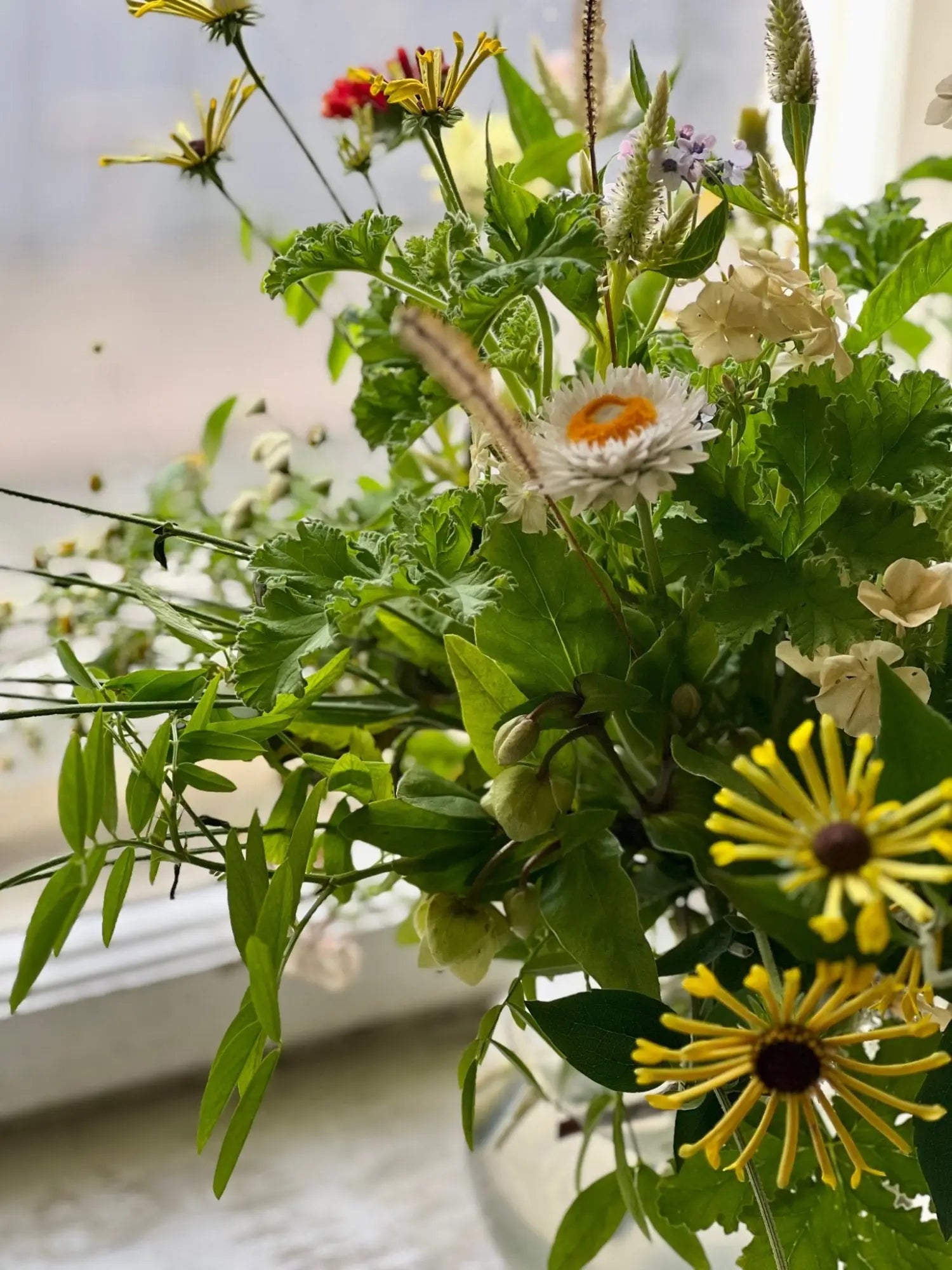
🌸 Daudzgadīgo puķu sēklas | Mūžīga skaistuma ziedi, kas atgriežas ik gadu
Atklāj Therapy of Flowers daudzgadīgo puķu sēklu kolekciju – rūpīgi atlasītas šķirnes,...
-
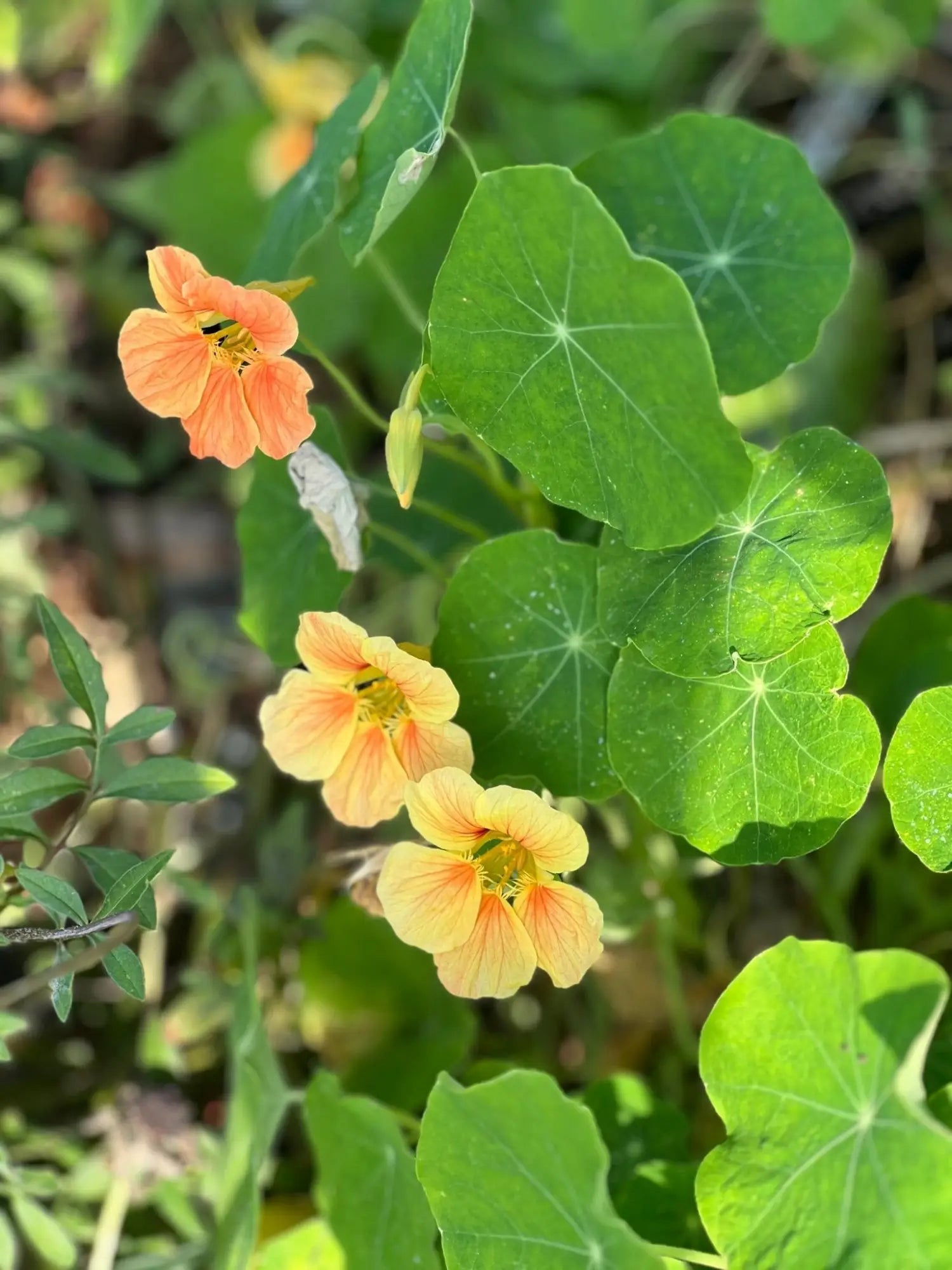
Pot flowers | Container Plants seeds
Pot flowers add vibrant color and charm to any indoor or outdoor...
-
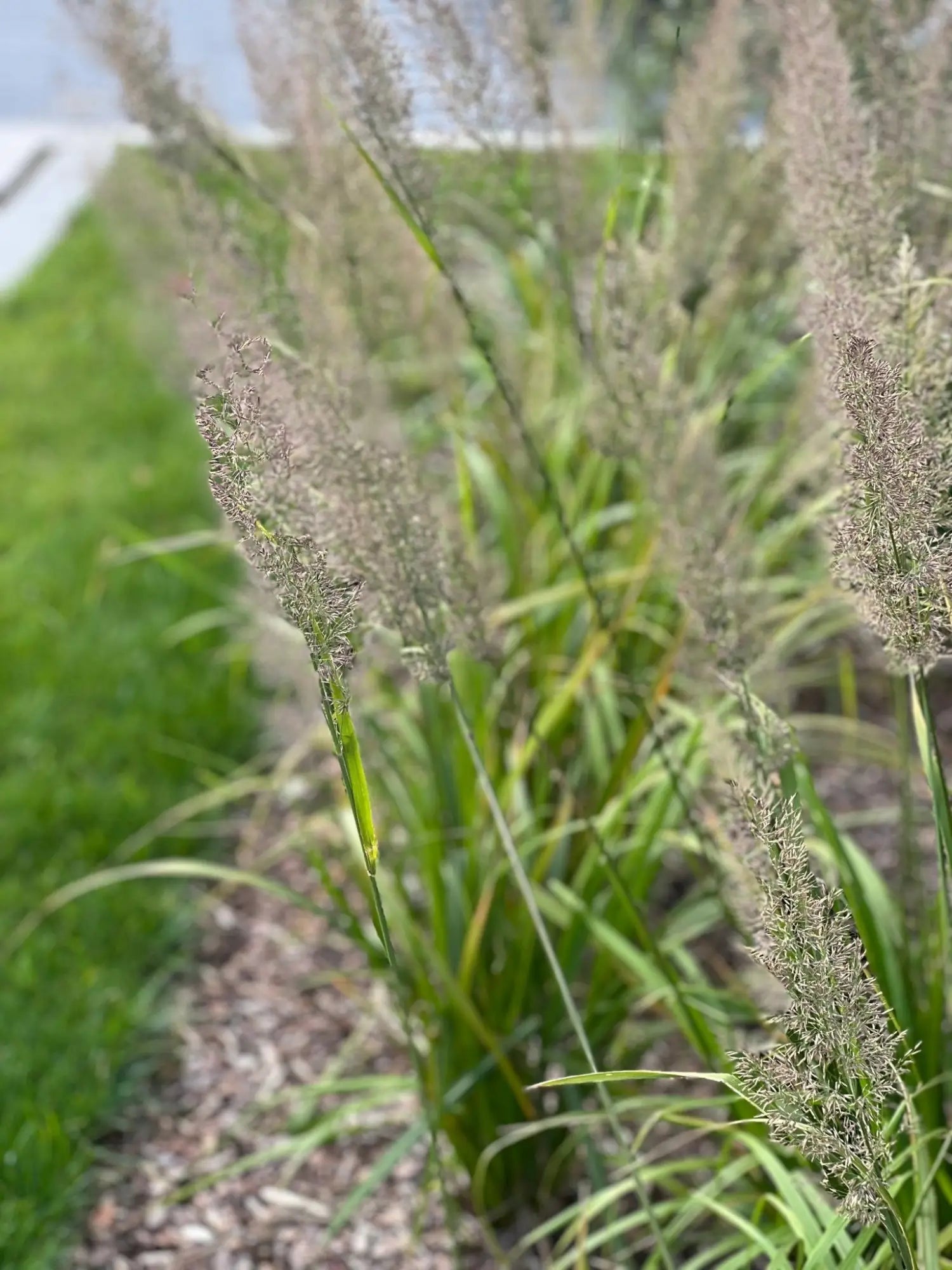
Border Flower Seeds
Transform your garden with border flower seeds, perfect for adding structure, color,...
-
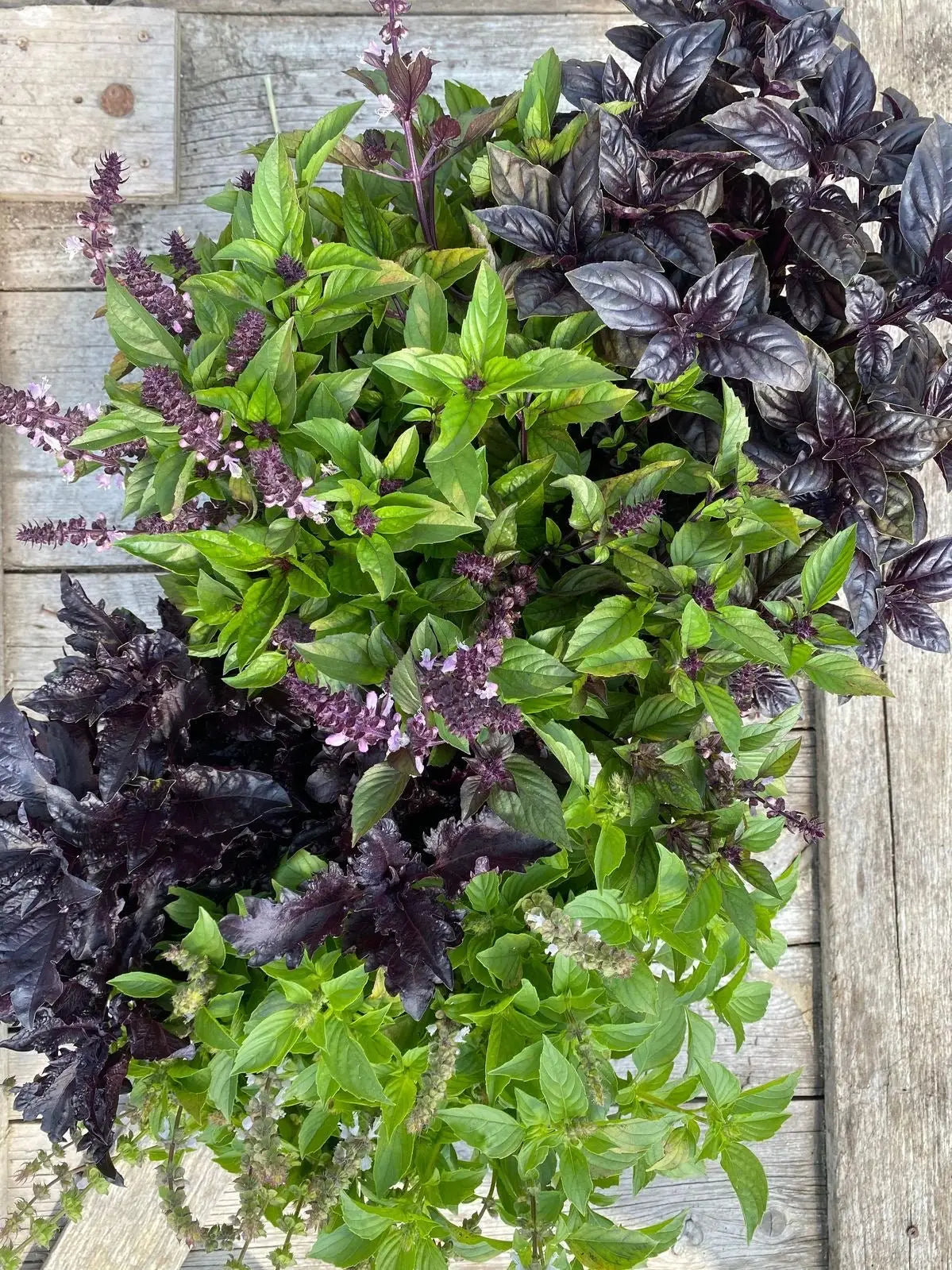
Tekstūras zaļumi | Zaļo ziedu sēklas
Iegādājieties dažādas ziedu pušķu zaļās bāzes, lapojuma un zaļo ziedu sēklas, lai...
-

Divgadīgās ziedu šķirnes, kas zied pirmajā gadā
Atklājiet labākās divgadīgo puķu šķirnes, kas zied jau pirmajā gadā. Ideāli piemērotas,...

A-Z Flower Seeds
-
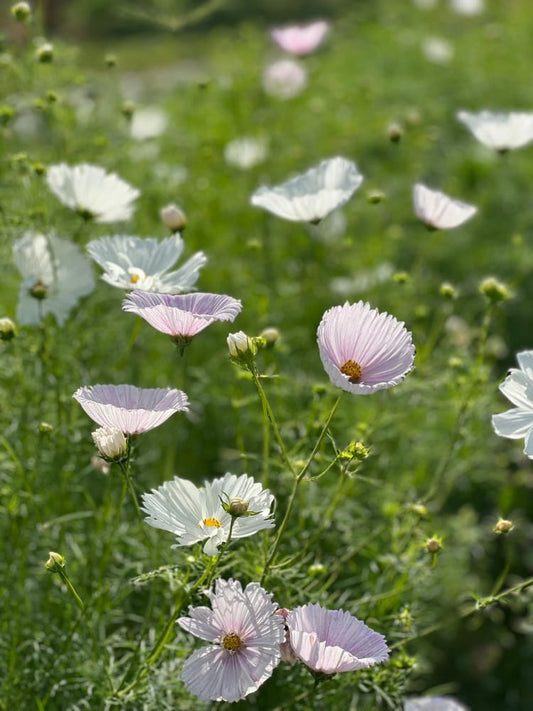
Kosmejas Cupcakes Blush | Cosmos bipinnatus
Vendor:therapyofflowers.comParastā cena €2,50 EURParastā cenaVienības cena per -

 Izpārdots
Lauvmutītes Madame Butterfly Bronze
Vendor:therapyofflowers.comParastā cena €1,50 EURParastā cenaVienības cena per -
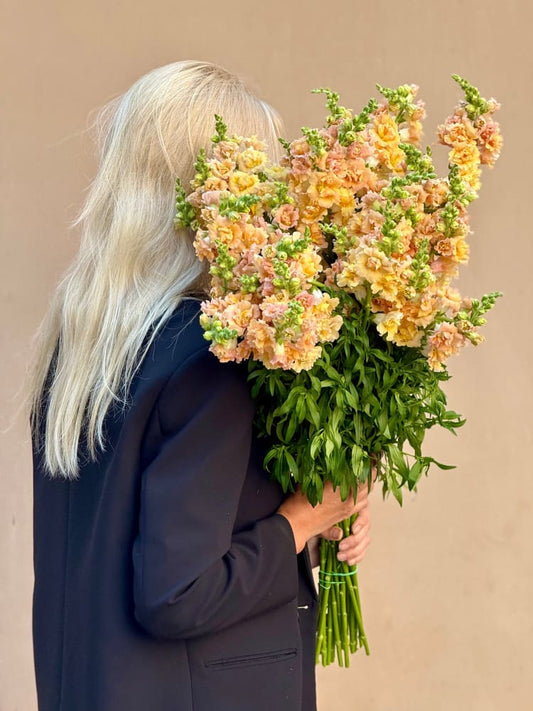
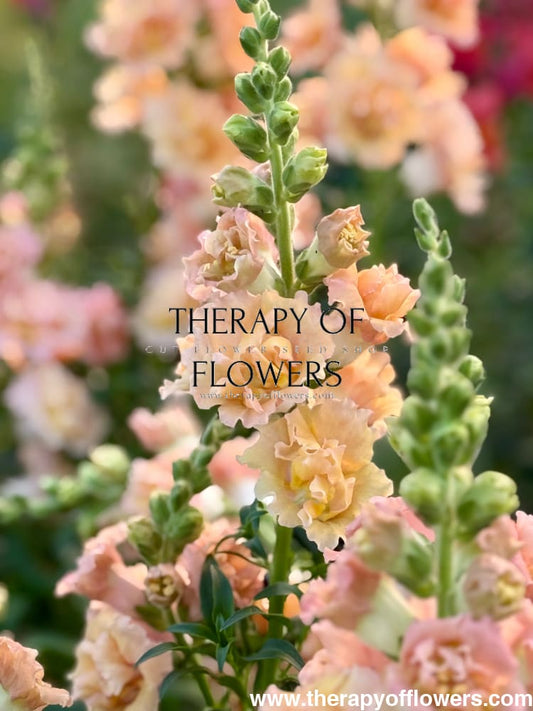
Lauvmutītes Snapstar Champagne F1 | Group 1,2 | Antirrhinum majus
Vendor:therapyofflowers.comParastā cena €2,20 EURParastā cenaVienības cena per -
Skabiozu cīnija Zinderella Lilac | Zinnia elegans
Vendor:therapyofflowers.comParastā cena €2,70 EURParastā cenaVienības cena per -
Lielziedu atraitnīte Sweet Pea Mixed F1 | Viola x wittrockiana
Vendor:therapyofflowers.comParastā cena €3,90 EURParastā cenaVienības cena per -
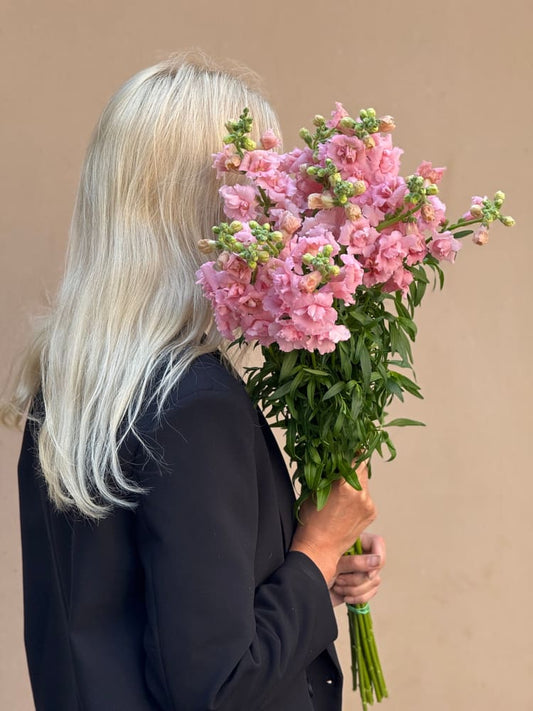
Lauvmutītes Snapstar Pink F1 | Group 1,2 | Antirrhinum majus
Vendor:therapyofflowers.comParastā cena €2,20 EURParastā cenaVienības cena per